
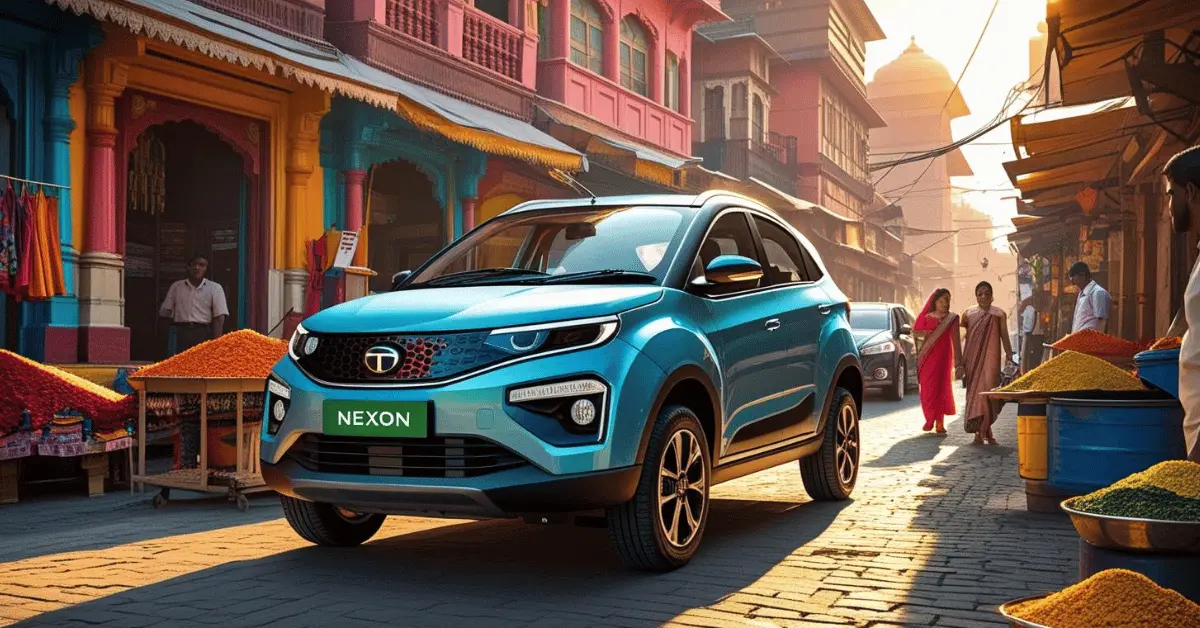

As the world accelerates towards electric vehicles (EVs), India stands at a pivotal crossroads. With 2025 fast approaching, this year could mark a turning point for India’s electric mobility journey. The country is witnessing rapid advancements not only in EV sales but also in technology, infrastructure, government policies, and consumer attitudes.
The key question remains: Will 2025 be the year India fully embraces electric mobility, or will growth continue at a slow pace? The answer will determine India’s role in the global EV revolution and its path toward a cleaner, more sustainable future.
I. Decoding India’s EV Ecosystem
Diverse Players
India’s EV landscape is a vibrant mix of global brands like Tesla and local giants like Tata Motors and other, with niche startups carving out their space in battery tech, software, and charging. This diversity signals a promising future for India’s EV sector.
Technological Advancements
Technological advancements are at the forefront of shaping India’s EV sector. Lithium-ion and solid-state batteries are making significant strides, with India actively promoting local production. The emergence of AI charging stations and autonomous driving further underscores the rapid evolution of this industry.
Dominating EV Types
Two-wheelers and three-wheelers lead in adoption, while electric cars face challenges with cost, limited models, slower consumer adoption, and infrastructure limitations such as charging stations and battery swapping facilities.
Also Read: India’s Unstoppable Rise That Will Shock You!
II. Government Policies and Incentives Shaping the EV Future
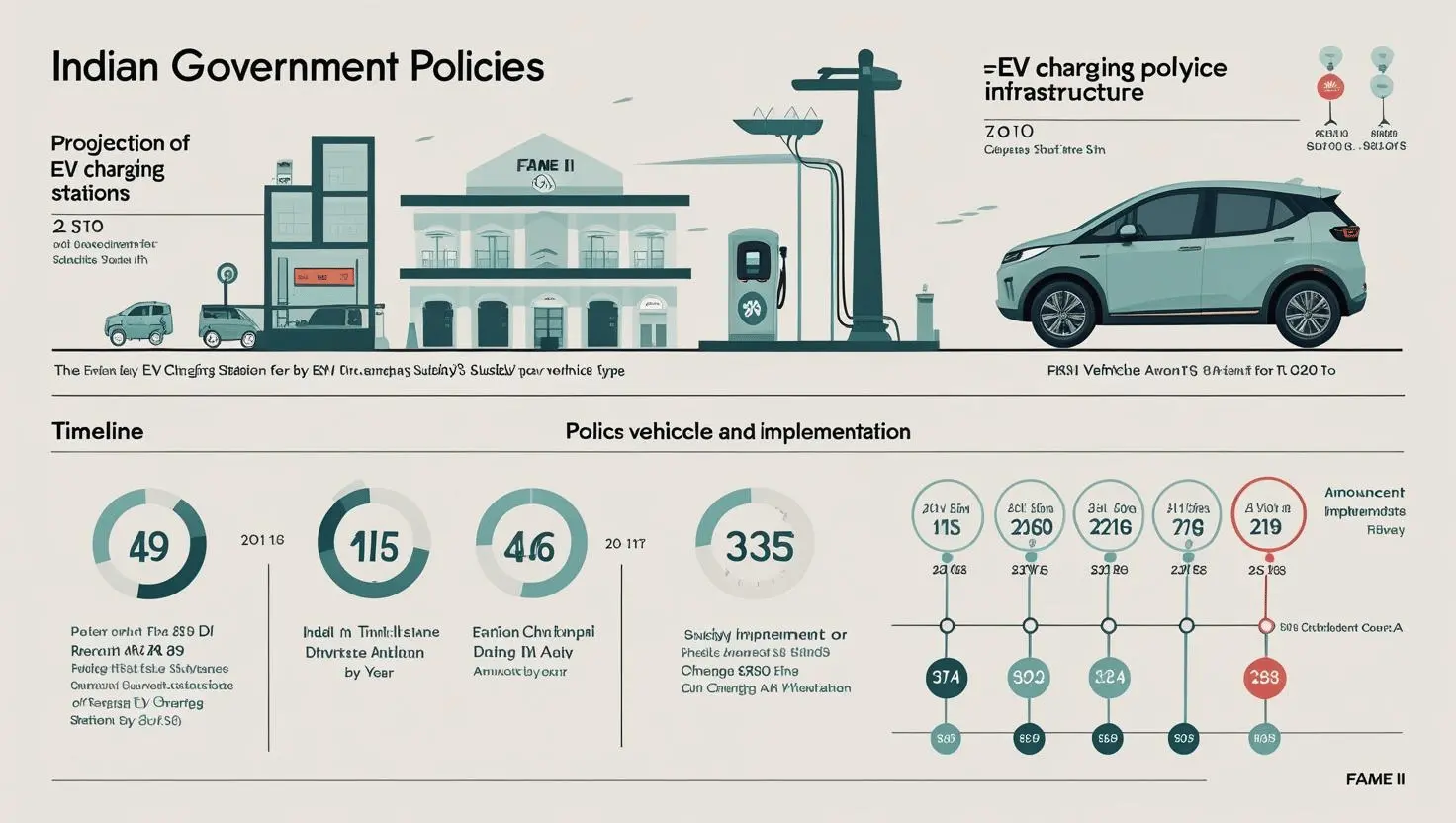
- Vision 2030: EVs as a National Priority
- India targets 30% EV adoption by 2030, focusing on affordability and infrastructure to drive mass adoption, aiming to reduce carbon emissions.
- Incentive Structures
- Schemes like FAME II, PLI, and GST adjustments aim to lower EV costs and promote local manufacturing, with subsidies for manufacturers and tax rebates for consumers.
- Infrastructure Development: The Charging Dilemma
- Charging infrastructure is expanding, with innovations like battery swapping, solar-powered units, and corporate partnerships helping build urban networks.
III. The Indian Consumer and Market Trends

- Changing Mindsets: From Skepticism to Adoption
- Consumer interest in EVs is on a promising trajectory, with concerns about cost, range, and charging time acting as temporary barriers to mass adoption. While eco-friendliness is a compelling factor, affordability remains a significant consideration compared to global trends.
- Affordability: The Price Barrier
- Affordable EVs, especially for tier-2 and tier-3 cities, are key. Manufacturers are focusing on budget models, and the availability of financial options like loans and subsidies is democratizing EV ownership.
- The Impact of Ride-Hailing & Fleet Operators
- EV fleets in ride-hailing services like Uber and Ola are helping drive adoption. They are showcasing the reliability of EVs through and their cost-effectiveness through, encouraging broader consumer acceptance.
IV. Challenges and Barriers to Overcome
- Supply Chain and Raw Materials
- India faces challenges in sourcing lithium and other key materials for EV batteries, relying heavily on international supply chains. Geopolitical issues and import dependencies could disrupt production and cost.
- Rural-Urban Divide
- Access to EVs and charging infrastructure is limited in rural areas. Bridging this gap requires both government initiatives and private sector involvement to expand coverage beyond urban centers.
- Consumer Trust: Building Confidence in EVs
- EV brands are working to build consumer confidence through test rides, awareness campaigns, and clear communication about durability, warranties, and after-sales support to ease concerns about long-term reliability.
V. What Will Change for the Industry?
Consumer Experience – The EV Shift
By 2025, EVs could become a mainstream, hassle-free choice with fast-charging stations and apps for diagnostics, making them more convenient for Indian drivers.
Job Creation and Economic Impact
The EV transition will create jobs in manufacturing, tech, and infrastructure, with India positioning itself as a global EV manufacturing hub, driving economic growth.
Global Implications for Indian Manufacturers
Indian manufacturers may lead in exporting affordable EVs, especially to developing markets, making India a key player in the global EV market.
VI. Conclusion: Is 2025 the Tipping Point?
Will 2025 be the Year India Goes Fully Electric?
2025 will mark a year of significant progress, with evolving policies, growing consumer interest, and technological advancements.
However, full electrification will require overcoming challenges such as infrastructure gaps, affordability, and widespread consumer adoption.
Consumer education and incentives will play a pivotal role in driving adoption.
- Final Thoughts: The Big Picture
- Successful EV adoption will depend on strong collaboration between the government, private sector, and consumers.
- Infrastructure expansion, affordability, and trust will be crucial for long-term growth.
- Looking beyond 2025, the future of EVs in India is intertwined with the country’s broader energy transition, global sustainability efforts, and the rise of clean energy solutions.
Call to Action:
- Engage with us! Share your thoughts on the future of electric mobility in India.
- Join the Conversation: Subscribe for more insights on India’s green transformation and the latest in electric vehicle trends.
FAQs Section
Why should India transition to electric vehicles (EVs)?
EVs reduce pollution, cut oil dependency, lower carbon emissions, and create jobs in clean energy sectors.
What challenges are preventing faster EV adoption in India?
Challenges include limited charging infrastructure, high upfront costs, range anxiety, and local manufacturing gaps.
How affordable are electric vehicles in India?
EVs are expensive, but government subsidies, tax rebates, and financing options make them more affordable.
What role does the Indian government play in EV adoption?
The government sets targets, provides incentives, supports local manufacturing, and expands charging infrastructure.
Will electric vehicles good for rural areas in India?
Yes, with infrastructure expansion and government initiatives, EVs are becoming more accessible in rural areas.

1 thought on “The Rise of Electric Vehicles in India: Will 2025 be a Turning Point?”