
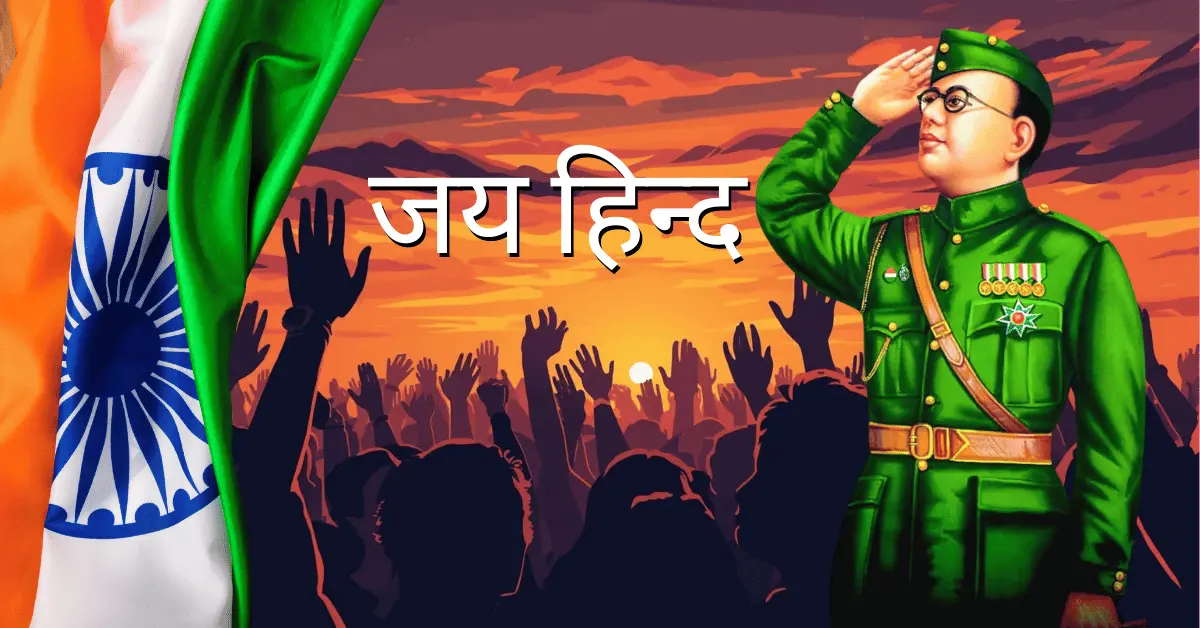

Every time you hear the words “Jai Hind,” there’s a spark. Goosebumps rise, hearts swell, and millions of Indians — whether at home or abroad — feel instantly connected. But how did these two simple words become so powerful? Why do they still echo from classrooms to stadiums, from Independence Day speeches to cricket fields?
The Birth of “Jai Hind”
When India was fighting for freedom, slogans were more than just words — they were weapons.
Subhas Chandra Bose’s Vision
It was Netaji Subhas Chandra Bose who gave “Jai Hind” its wings. As the leader of the Indian National Army (INA), he adopted it as the official salute, rallying his soldiers with a cry that meant “Victory to India.”
More Than Just a Salute
Unlike other slogans tied to regions or communities, “Jai Hind” felt universal. Every Indian, no matter their background, could say it with pride.
Read Also➡️ How AI Is Changing Jobs in India
How It United a Nation
The beauty of “Jai Hind” lies in its simplicity — two words that could break barriers.
A Call Beyond Religion or Language
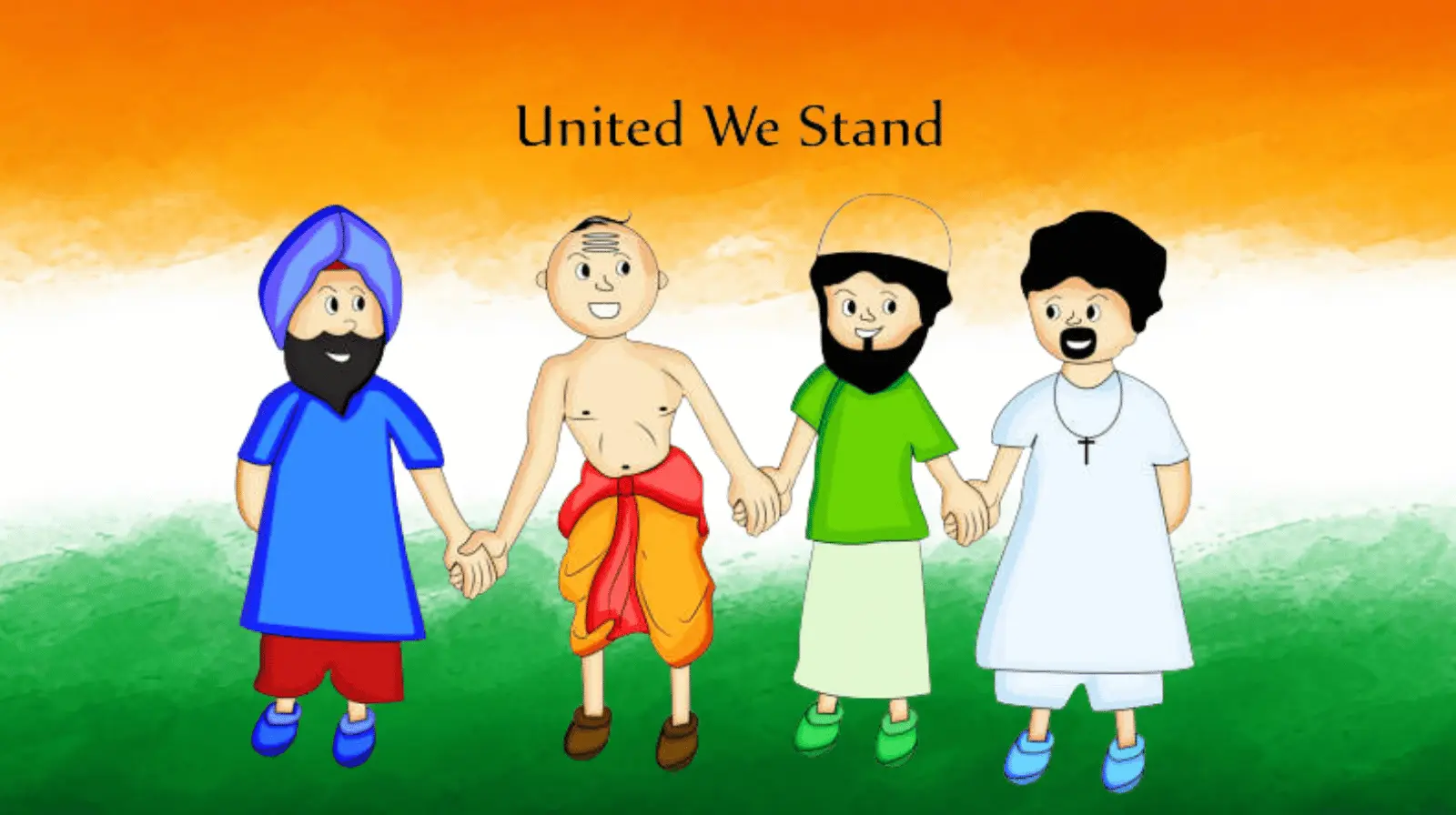
India has always been a land of diversity, but “Jai Hind” rose above divisions. It wasn’t about Hindu or Muslim, north or south. It was about India as one.
Fueling Courage in the Freedom Struggle
In protests, marches, and secret meetings, shouting “Jai Hind” gave people strength. It wasn’t just a slogan — it was a heartbeat of the revolution.
From Independence to Every Indian’s Lips
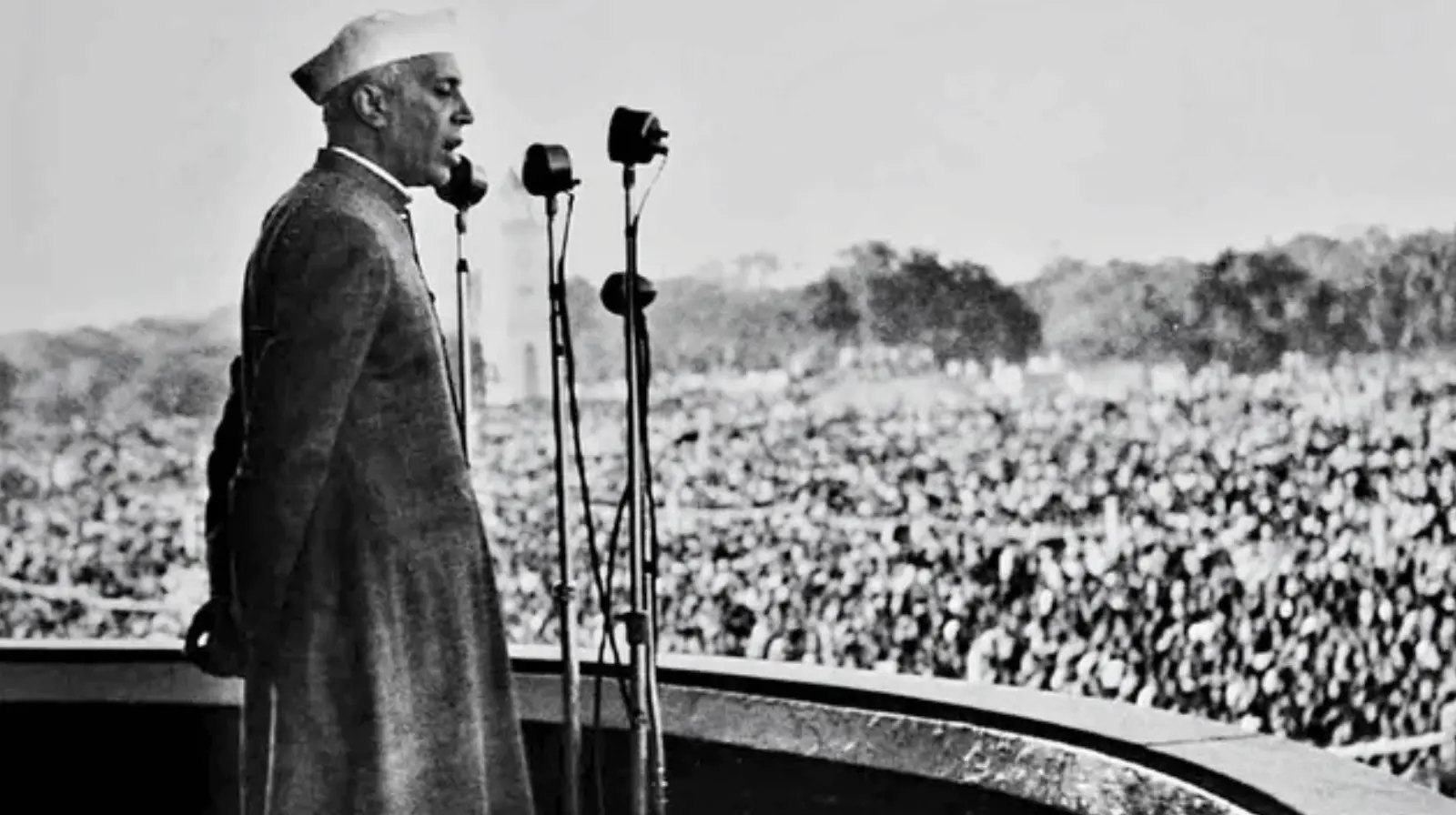
After independence, “Jai Hind” didn’t fade. It grew stronger.
Nehru’s Signature Goodbye
Jawaharlal Nehru made it famous as the way to end every speech. His words, broadcast across the young nation, always concluded with “Jai Hind” — leaving millions inspired.
Leaders Who Carried It Forward
From Indira Gandhi to A.P.J. Abdul Kalam, leaders across decades kept “Jai Hind” alive in their public addresses, reminding Indians of their shared identity.
Why “Jai Hind” Still Resonates Today
Even in 2025, “Jai Hind” hasn’t lost its magic.
In Everyday Life
Soldiers greet each other with “Jai Hind.” Schoolchildren chant it during assemblies. Cricket fans shout it after every win. It’s woven into the daily rhythm of India.
Across the World 🌍
For Indians abroad, saying “Jai Hind” is like carrying a piece of home. It’s not just a phrase — it’s an instant connection to roots, pride, and belonging.
“Jai Hind” in Pop Culture and Sports 🎬🏏
One reason “Jai Hind” feels timeless is because it appears in moments of collective joy and pride.
On the Big Screen
Bollywood films often feature “Jai Hind” in powerful dialogues, inspiring audiences in theaters. From patriotic dramas to action thrillers, the phrase adds weight and emotion.
On the Cricket Field
Whenever Team India wins, the chant of “Jai Hind” rings across stadiums. It has become the sound of sporting pride, uniting fans just like it united freedom fighters.
What “Jai Hind” Teaches the Next Generation 📚
For young Indians, “Jai Hind” is more than history — it’s a lesson in unity.
In Schools and Colleges
Morning assemblies often end with “Jai Hind,” teaching children that patriotism isn’t just about remembering the past — it’s about building the future.
A Value Beyond Borders
Even for Indian-origin kids abroad, hearing or saying “Jai Hind” helps them feel connected to their cultural roots and proud of their identity.
The Secret of Its Power
Why did “Jai Hind” succeed when other slogans faded into history?
- It’s timeless – always relevant, whether in 1947 or 2025.
- It’s inclusive – not tied to any religion, caste, or politics.
- It’s emotional – every Indian feels it deep inside.
That’s why it’s not just a slogan — it’s a symbol of unity.
More Than Words, It’s India’s Spirit
“Jai Hind” is short, powerful, and eternal. Every time we say it, we honour freedom fighters, salute our soldiers, and celebrate the unbreakable bond of India’s diversity.
It’s not just history. It’s the present. It’s the future.
So next time you hear it, remember: “Jai Hind” is India itself. 🇮🇳

2 thoughts on “Why “Jai Hind” Became the Symbol of Indian Unity”