
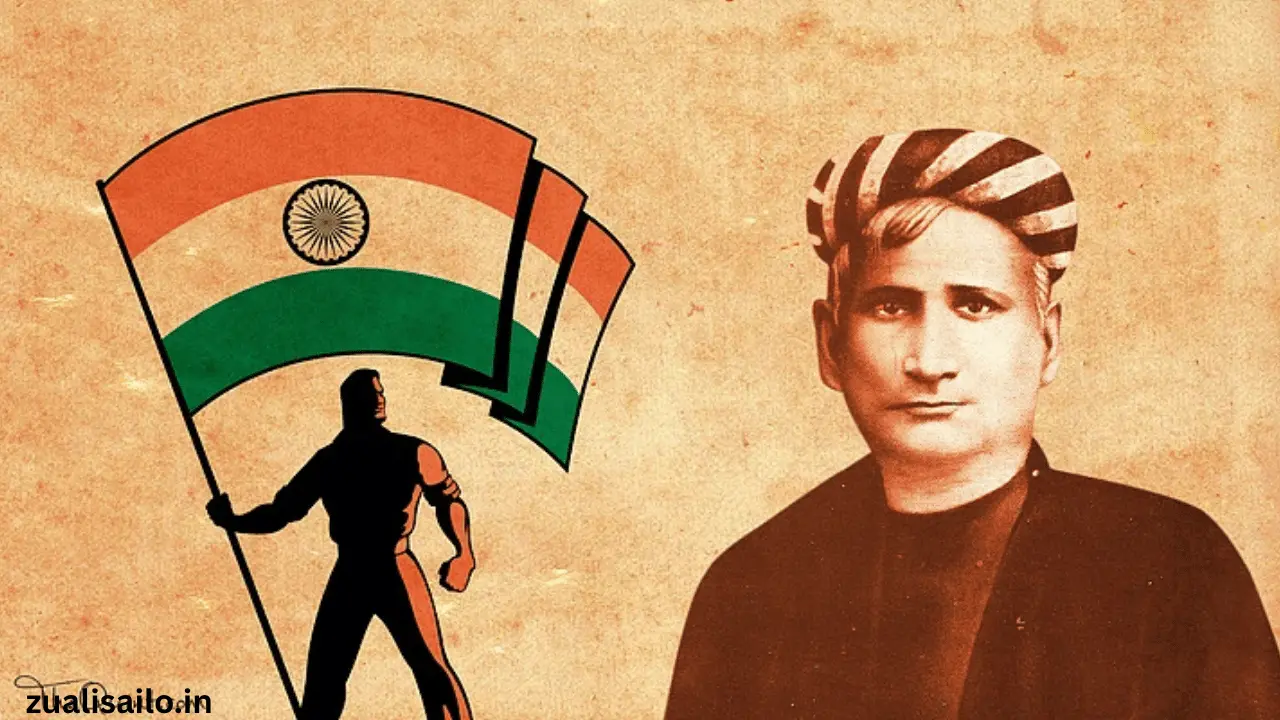

A Song That Became a Spirit
Few creations in history have crossed the barriers of time, politics, and geography quite like “Vande Mataram.” First heard in the late 19th century, its words still make millions of Indians pause, rise, and feel that unmistakable rush of pride.
But what gives this century-old song such lasting power — long after the British departed, long after independence was won, and long after its earliest singers became part of history?
To understand that, we must return to a time when “Vande Mataram” wasn’t just a song — it was a revolution set to melody.
The Birth of “Vande Mataram”
Before it became an anthem, “Vande Mataram” was poetry — written by Bankim Chandra Chattopadhyay in 1870 and later included in his 1882 novel Anandamath. It emerged in an era when India’s voice was stifled under colonial rule. Composed in a graceful blend of Sanskrit and Bengali, the poem envisioned the motherland as divine — both nurturing and fierce.
The Motherland as a Goddess
Bankim’s idea of “Bharat Mata” (Mother India) was radical for its time. When the nation lacked political unity, his words offered Indians a shared emotional identity — a mother figure to love, defend, and sacrifice for. Through this imagery, patriotism transformed from an abstract idea into a sacred duty.
When the Song Found Its Sound
While Bankim wrote the words, Rabindranath Tagore gave them a soul. In the early 20th century, he composed and performed “Vande Mataram” with a blend of reverence and rebellion. When Tagore sang it at the 1896 Indian National Congress session in Calcutta, the atmosphere crackled with emotion. From that day, “Vande Mataram” became more than a song — it became a call to unity and freedom.
Fueling India’s Fight for Freedom
As the freedom struggle gained momentum, “Vande Mataram” echoed through rallies, prison walls, and whispered gatherings. It was more than a melody — it was defiance set to tune.
A Symbol of Courage and Unity
Leaders like Lala Lajpat Rai, Bipin Chandra Pal, Bal Gangadhar Tilak, and Aurobindo Ghosh embraced the song as a spiritual weapon. The words “Mother, I bow to thee” were not just sung — they were lived. Even when British authorities banned it, Indians continued to hum or whisper it in secret, turning the act of singing into an act of resistance.
The Song That Crossed Boundaries
What’s remarkable is how “Vande Mataram” transcended regions and languages. From Bengal to Punjab, Tamil Nadu to Gujarat, it was translated, adapted, and sung in countless voices — yet the emotion remained the same. It became proof that India’s strength lay in its diversity and shared devotion.
The Emotional Power Behind “Vande Mataram”
Even today, when we hear the opening words — “Sujalam suphalam, malayajasitalam” — something stirs within us. Goosebumps, pride, maybe even tears. But what makes this song written more than a century ago still so moving?
The Language of the Soul
The magic of “Vande Mataram” lies in its poetry, not politics. The Sanskrit verses, rich with images of fertile fields, cool breezes, and smiling blossoms, portray India not merely as land but as home. Its sensory beauty connects deeply with anyone who has ever loved their homeland.
The Music That Moves Generations
From Hemant Kumar to A.R. Rahman, many have reimagined “Vande Mataram.” Yet every version — whether sung in school assemblies or played on grand stages — carries the same heartbeat of unity. The song’s emotion doesn’t fade; it simply finds new voices.
“Vande Mataram” in Modern India: More Than Just a Song
Over a hundred years later, “Vande Mataram” continues to echo — in classrooms, stadiums, films, and even digital campaigns. But its endurance isn’t just nostalgic; it’s meaningful.
A Bridge Between Past and Present
In today’s fast-paced world, where patriotism sometimes feels performative, “Vande Mataram” reminds us of a time when love for the nation meant courage and sacrifice. Singing it connects young Indians to a history written in resilience and unity.
A Song That Transcends Politics
Though debates have occasionally surrounded its origins, the spirit of “Vande Mataram” transcends religion and ideology. It stands for something universal — respect for the motherland. It reminds us that before we were divided by states or languages, we were all children of the same mother.
Why It Still Matters: The Timeless Message of Devotion
At its heart, “Vande Mataram” is a love song — love for the land, for freedom, and for the very idea of India. In an age of division, it reminds us that unity is not an old dream but an ongoing responsibility.
The Legacy Lives On
Every time a child sings it at school, every time it plays before a cricket match or appears in a film, “Vande Mataram” renews its promise. It reminds us that patriotism isn’t an annual performance — it’s a daily act of respect, courage, and care for the nation we call home.
The Song That Will Never Fade
A century later, “Vande Mataram” remains more than a song — it’s a heartbeat woven into India’s soul. It reminds every generation that freedom was not a gift but an achievement born of sacrifice and unity.
When it plays, time seems to pause — linking the dreams of our ancestors with the hopes of our children. That’s why “Vande Mataram” still stirs hearts after 100 years: because it isn’t just sung — it’s felt. ❤️
